Description
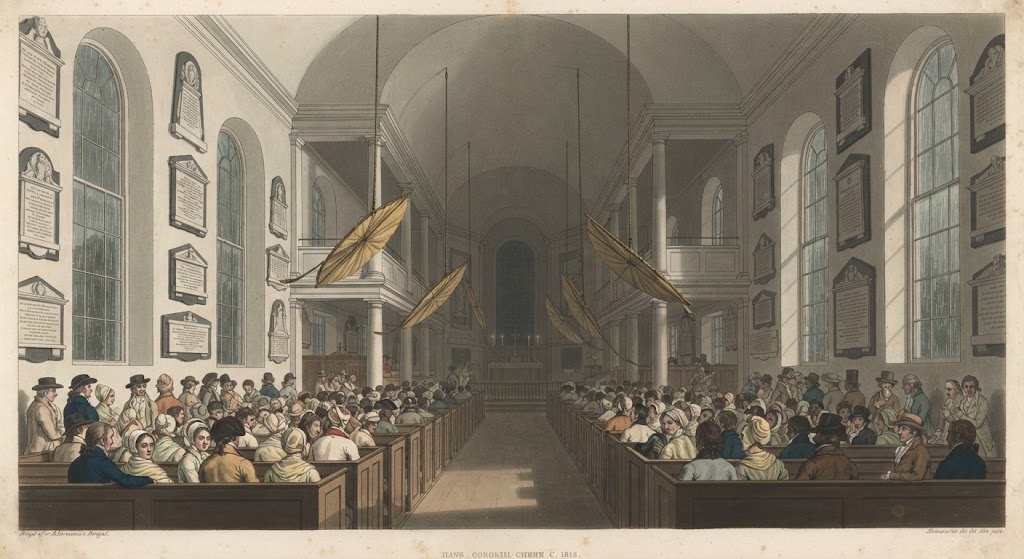
St. John’s Church stands south of Lal Dighi, near Council House Street — a piece of England dropped into the tropics. Consecrated in 1787, designed by Lieutenant James Agg of the Bengal Engineers after St. Martin-in-the-Fields in London. A classical portico with Doric columns, a square tower with a steeple, white stucco over brick. Inside: a high-ceilinged nave with galleries on three sides, box pews assigned by social rank, a mahogany pulpit, memorials to the dead on every wall — fever, cholera, battle, childbirth, the ordinary carnage of British India carved in marble.
The church is the oldest Anglican church in Calcutta and the parish church of the British settlement. Every European of standing is expected to attend Sunday service. Absence is noticed.
Notable Features
The nave: Cool and dim after the outside glare. Punkahs pulled by ropes through the walls — the only relief from the heat. The scent of beeswax, old wood, mildew (everything in Calcutta mildews), and the faint sweetness of tropical flowers on the altar. High windows let in slanted morning light. During monsoon, rain hammers the roof and drowns the sermon.
The box pews: Assigned by rank and seniority. The Governor-General’s pew in the front, reserved whether he attends or not. Senior Council members behind. Ashworth has a pew. The Pelhams have a pew. Surlish has a pew — purchased, not earned, which the older families notice. New arrivals sit where the chaplain directs them, which is itself a social signal.
The memorials: Every wall carries marble tablets. Names, ranks, ages, causes. “Sacred to the memory of…” — the wall behind the altar alone has thirty. Children’s names are the worst: aged two, aged four months, aged seven. The church is a monument to the cost of empire. A perceptive investigator might notice how many deaths cluster in the monsoon months.
The churchyard: Walled, shaded by neem trees, a few tombs under stone canopies. Warren Hastings’ cenotaph. The ground too wet for deep burial in monsoon — the dead are interred in raised vaults. After service, the churchyard is where the real business happens: invitations extended, arrangements confirmed, gossip exchanged. The living among the dead, making plans.
The Sunday Rhythm
Sunday morning service is the anchor of the British week in Calcutta. The ritual is as follows:
Before service (9:30-10:00): Carriages and palanquins arrive. Europeans gather in the portico and churchyard. Dress: formal but adapted to the climate — lighter fabrics, wider hats, no heavy coats. This is the first social exchange of the week. Greetings, assessments. New faces are identified immediately.
The service (10:00-11:15): Morning Prayer from the Book of Common Prayer. Hymns, psalms, the Litany, a sermon. The chaplain preaches to the settlement’s concerns — duty, Providence, endurance, the Christian’s obligations in a foreign land. In October, with Kali Puja approaching, he might preach on the superiority of Christian worship to “idolatrous” practices — unwittingly serving the investigators a reminder of what they’re fighting.
After service (11:15-12:00): The churchyard hour. This is where social Calcutta operates. The chaplain circulates, introduces newcomers, receives confidences. Invitations to dinner are extended. Morning call schedules are arranged. Ladies plan their week. Officers compare notes. Children chase each other between the tombs. The servants wait with parasols and water.
What the investigators can do at church:
- Be seen. Attending demonstrates respectability and maintains cover.
- Observe. The pew assignments and social dynamics map Calcutta’s hierarchy. Who speaks to whom, who avoids whom, who arrives late (Sophia?), who sits rigid and silent (Surlish’s hand on Sophia’s arm through the entire service).
- Be introduced. The chaplain introduces new arrivals to people they should know. A passive intelligence-gathering mechanism.
- Make arrangements. Invitations are extended after service. The ball, the mess dinner, the tiger hunt — all arranged in the churchyard.
- Notice absences. Anyone who misses church is discussed. If the investigators miss the second Sunday (tiger hunt), it’s forgiven — Ashworth invited them. If they miss the third Sunday, it’s suspicious.
The Three Sundays
Day 2 (Sunday, October 9) — Arrival Sunday
The party’s first public appearance. They attend church the morning after arrival — unavoidable without giving offence. Hugh escorts them. The chaplain welcomes them publicly. The entire settlement catalogues the new arrivals in one hour.
Day 9 (Sunday, October 16) — The Missing Sunday
The party is at the tiger hunt. They miss church. This is noticed but forgiven — “Ashworth invited them, how could they refuse?” The chaplain mentions their absence to someone. The social network registers it.
If any PC stays behind (injury, investigation, cover maintenance), they attend alone. Interesting: a single investigator in a sea of married couples and established families, watching the settlement from inside.
Day 16 (Sunday, October 23) — The Last Sunday
Two days before Kali Puja. The Ashworth confrontation is planned for today.
If the investigators attend: Sitting in the pews knowing what they know. The chaplain preaches. The congregation sings. The sunlight comes through the windows. Everything is normal. Nothing will ever be normal again after Tuesday night.
If they skip: The social world notices. By now, the party’s behaviour has become increasingly erratic — missed social events, unexplained absences, time spent in Black Town. Skipping church on the Sunday before the climax is either irrelevant (the obligation cage has shattered) or a final signal that something is deeply wrong.
The Ashworth confrontation could happen in the churchyard. After service, the magistrate walks among the tombs. The investigators intercept him with evidence. A confrontation about cosmic horror between the graves of dead Company men, in the shadow of the church. The irony is load-bearing.
Connections
- Calcutta 1814 — The church sits south of Lal Dighi, near Council House Street.
- Reverend Arthur Jessop — Senior chaplain; presides and circulates after service.
- Charles Ashworth — Holds a pew; the churchyard is a possible site for his confrontation.
- Hawthorne Surlish / Sophia Surlish — The Surlish pew; the one public place the marriage is on display.
Appearances
Relationships
- Part of Calcutta 1814 — The oldest Anglican church in Calcutta and the parish church of the British settlement, south of Lal Dighi near Council House Street.
- Located at Reverend Arthur Jessop — The senior chaplain who presides. Circulates after service, introduces newcomers, receives confidences.